Choosing Your First Single Malt: A Beginner's Guide
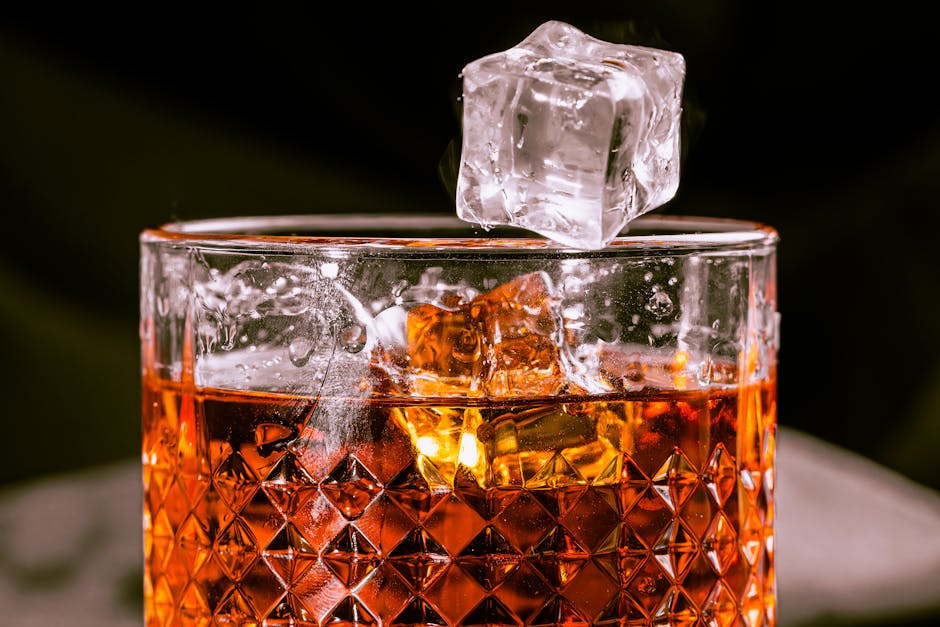
Starting your single malt whisky journey can feel overwhelming with thousands of bottles available. However, finding your first favourite is easier than you might think if you understand what to look for.
What is single malt? It's whisky made from malted barley at a single distillery. This contrasts with blended whisky, which mixes single malts from different distilleries. Single malts showcase each distillery's unique character more clearly.
Begin by considering flavour regions. Scottish whisky divides roughly into five regions, each with distinct characteristics:
- Speyside: Fruity, floral, and elegant. Try Glenlivet or Glenfarclas for approachable introductions.
- Highlands: Full-bodied, sometimes spicy or heathery. Dalmore and Oban offer excellent entry points.
- Lowlands: Light, grassy, delicate. Glenkinchie is a classic choice.
- Islay: Smoky, peaty, intense. Start with Talisker (technically Highland) if you like smoke, or try milder Islay options like Bunnahabhain.
- Campbeltown: Oily, salty, unique. Springbank is the main distillery.
If you enjoy fruity, approachable whisky, Speyside is ideal. If you prefer something bolder and smokier, explore Islay or Highlands. Lowland whiskies suit those who like subtlety.
Age statements matter, but not always in the way newcomers assume. A 12-year-old whisky isn't necessarily better than a 10-year-old; it's simply matured longer. Younger whiskies can be fresher and fruitier, while older ones tend to be smoother and more complex. Start with 10 or 12-year expressions to understand the difference.
Price considerations: Excellent single malts exist at every price point. You don't need to spend £50+ on your first bottle. Many superb whiskies cost £30-40. Avoid very cheap bottles marketed as "investment," but don't assume expensive means better for your tastes.
How to taste properly: Pour a small measure into a tulip-shaped glass. Add a splash of water—this opens up flavours. Nose it first, noting aromas. Take a small sip, let it coat your mouth, then swallow. Notice the finish. Drink water between tastings to cleanse your palate.
Visit a whisky bar before buying a full bottle. Most good bars offer drams of various whiskies, letting you explore without commitment. Staff can guide recommendations based on your preferences.
Start with a region that appeals to you, try a few drams at a bar, then invest in a bottle you genuinely enjoy. Your palate will develop naturally from there, and soon you'll discover your personal preferences without anyone else's guidance.